
Geopolitical Panic, Tariffs, And The Bitcoin Price Manipulation Narrative
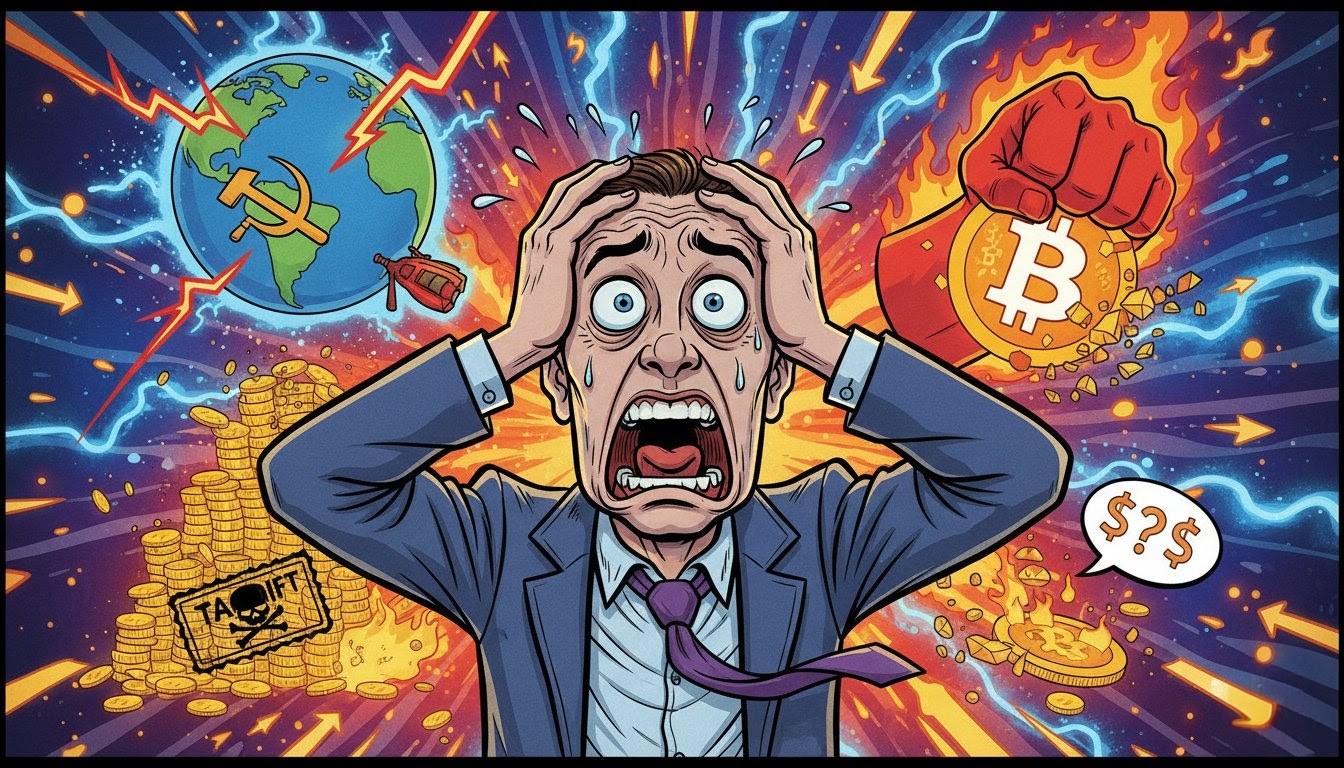
Right now, the Bitcoin price manipulation narrative is gaining traction as global headlines shift toward geopolitical tensions, tariff debates, and economic uncertainty. From policy discussions linked to modern tariff strategies to rising market fear during geopolitical conflicts, investor behavior is reacting in real time. In today’s reality, macro decisions, regulation talks, and global instability are directly shaping crypto sentiment and price action in ways that feel familiar to past market cycles.
Many investors are noticing a pattern. When global panic rises, risk assets like Bitcoin, stocks, and even gold often react sharply. At the same time, narratives about strategic accumulation begin to trend across financial media and crypto communities. This cycle is not new, yet it feels more intense today due to social media amplification and rapid information flow.
So, the real story is not just about price drops. It is about psychology, geopolitics, and how modern economic decisions ripple into digital assets faster than ever before.
Bitcoin Price Manipulation Narrative During Global Panic Cycles
Historically, the Bitcoin price manipulation narrative tends to resurface during moments of global fear. For example, during the 2020 pandemic crash and the FTX collapse period, sentiment dropped to extreme levels while volatility surged across markets. This shows how panic often drives emotional selling rather than purely rational decisions.
Moreover, geopolitical tensions often create uncertainty in financial markets. Investors tend to move funds away from high-risk assets when headlines are dominated by global conflicts, inflation fears, or trade disputes. As a result, Bitcoin, which is still classified as a risk asset by many institutions, becomes more sensitive to macro shocks.
“Risk assets historically drop during global panic cycles.” This statement continues to hold relevance as fear-driven narratives shape short-term price behavior across crypto markets.
Tariffs, Policy Decisions, And Market Sentiment Shifts
Tariff discussions in modern economic policy have also influenced the Bitcoin price manipulation narrative. When tariff-related news emerges, markets often react quickly due to concerns about global trade slowdowns and economic tightening. These reactions mirror past policy cycles, including tariff strategies associated with Donald Trump.
Additionally, policy uncertainty creates hesitation among institutional investors. When regulations and economic policies appear unclear, capital tends to move into safer assets temporarily. This reduces liquidity in crypto markets and increases volatility in the short term.
Consequently, many traders interpret sudden price drops during macro announcements as coordinated moves, even when broader economic forces are the primary drivers behind market reactions.
Media Narratives, Fear Index, And Retail Psychology
Another major factor fueling the Bitcoin price manipulation narrative is media influence. Search trends like “Bitcoin is dead” and “crypto crash” often spike during downturns, which amplifies fear among retail investors. This psychological effect can accelerate sell-offs beyond what fundamentals justify.
Furthermore, extreme fear zones in crypto sentiment indices often align with periods of heavy criticism from influencers and analysts. When public figures dismiss Bitcoin as worthless, newer investors may panic and exit positions prematurely.
“Sentiment is in the gutter right now.” This type of language, frequently used in market commentary, highlights how emotional narratives can dominate rational analysis during volatile cycles.
Elite Accumulation Theories And Long-Term Market Reality
During downturns, elite accumulation theories gain popularity, strengthening the Bitcoin price manipulation narrative. Many investors believe large institutions quietly accumulate assets while fear spreads across the market. While evidence varies, historical data shows institutional inflows often increase during bearish phases.
At the same time, diversification remains a core strategy during uncertain markets. Investors commonly balance portfolios with:
-
Bitcoin and crypto assets
-
Gold and commodities
-
Fiat for liquidity
-
Real estate for stability
Notably, long-term perspectives from institutional voices like Cathie Wood emphasize Bitcoin’s role as a hedge against both inflation and deflation, reinforcing its evolving financial narrative.
In the end, market cycles repeat. Fear rises, narratives intensify, and eventually sentiment resets as fundamentals regain focus.
Final Thoughts: Is The Bitcoin Price Manipulation Narrative Overblown?
The Bitcoin price manipulation narrative reflects a mix of macro reality, investor psychology, and media influence rather than a single coordinated force. Geopolitical tension, tariff uncertainty, and regulatory discussions all contribute to short-term volatility in today’s financial environment.
However, history suggests that panic-driven narratives often appear strongest near periods of uncertainty and transition. As clarity in regulation, adoption, and macro policy improves, sentiment can shift just as quickly as it declined.
Now I want to hear from you. Do you believe current market movements are driven by macro events or deeper market strategies? Share your thoughts below.
And if you are interested in earning crypto and staying ahead of market trends, join Blockchain Monie partners today: