
From MTV to Web3: The $3.5 Trillion Media Reset Nobody Is Prepared For
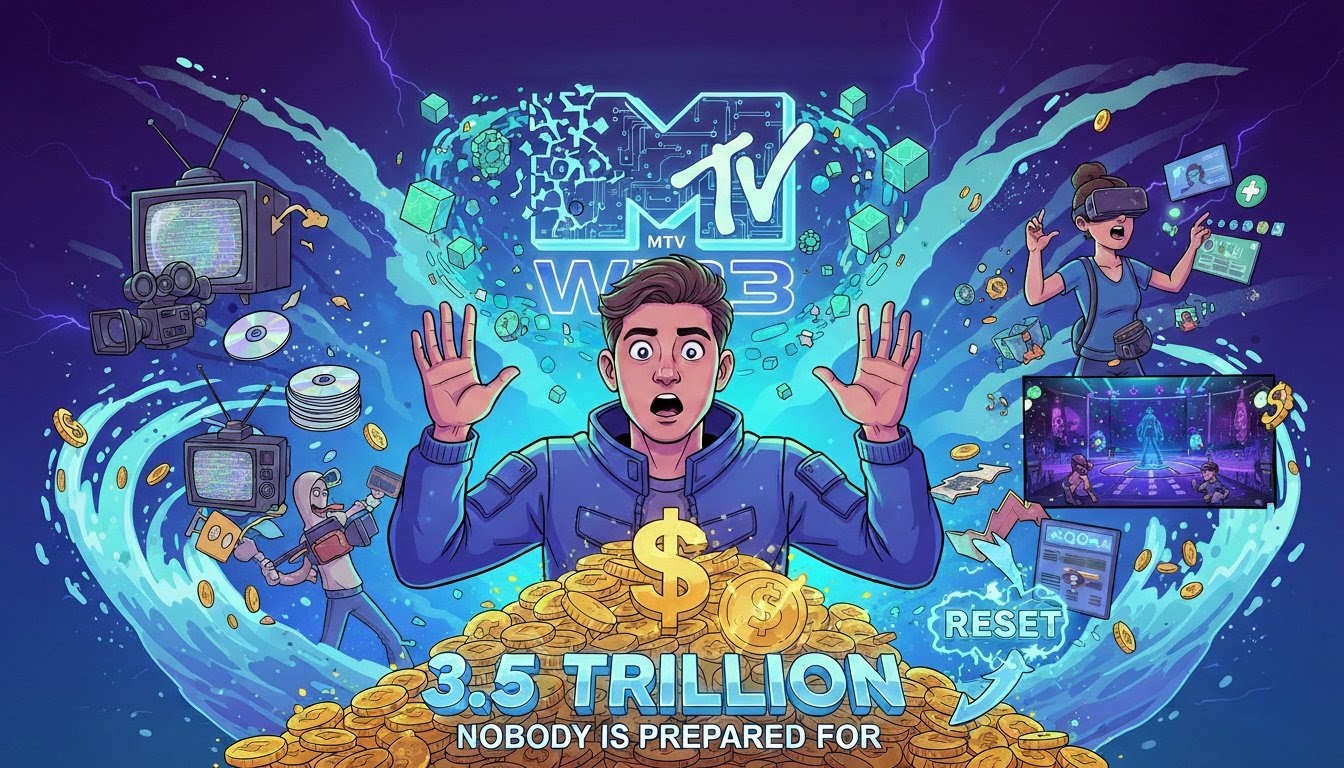
Web3 is rewriting the rules of media faster than anyone expected. On the heels of MTV shutting down all its 24/7 music channels worldwide, the world witnessed a symbolic end to centralized tastemakers. From radio to TV, cable, and streaming, every media era eventually collapses—but this time, the stakes are higher. With a projected $3.5 trillion media market by 2029, the shift isn’t just cultural—it’s financial. “More money, more content, yet less stability. That’s the paradox today’s media ecosystem faces.”
Pattern Recognition: Media Eras Always End This Way
History shows a predictable pattern:
-
Radio: Birthed mass audiences, then gave way to television.
-
Television: Dominated with networks and cable, eventually disrupted by streaming.
-
Streaming: Created content abundance but centralized platforms dictated access.
-
Infrastructure: The next battleground—ownership of the rails, not just the shows.
Every transition favored infrastructure over content. Now, Web3 is positioned to do the same.
Market Reality: Numbers You Can’t Ignore
By 2029, the global media market is expected to hit $3.5 trillion, including:
-
$500 billion in streaming
-
$48 billion in blockchain media
Despite explosive growth, this money doesn’t solve the deeper problem: fragmentation and instability. Films, shows, and music are multiplying, yet creators struggle with ownership rights, and investors often buy into opaque deals without clear governance.
The IP Mess: Who Really Owns What?
Creators often don’t know what they own, and investors don’t know what they’re buying. Intellectual property is scattered across platforms, contracts, and jurisdictions, creating a tangled mess. Without transparency, media remains risky.
Distribution Bottlenecks: Gatekeepers Rule
Current platforms act as opaque gatekeepers. Algorithms decide who sees what, while governance and accountability remain minimal. The system prioritizes scale over fairness, leaving creators at the mercy of platform policies.
“The problem isn’t content—it’s control. The rails of media determine who wins.”
The Web3 Misconception: Tokenization Isn’t the Magic Bullet
Many assumed tokenization alone would fix the system. Speculation came, hype surged, but the market quickly realized: infrastructure, not tokens, holds long-term value. Web3 is not about gambling on assets—it’s about building neutral, scalable systems where content flows efficiently and revenue aligns with usage.
XINI8’s Design Logic: Boring, by Design
XINI8 is not flashy—it’s intentionally boring. Its value lies in:
-
Infrastructure fees rather than speculative hype
-
Usage-based revenue models
-
Long-term alignment with creators, investors, and platforms
By focusing on building the rails of media, XINI8 ensures scalability, reliability, and sustainable growth. The platform doesn’t chase trends—it empowers creators while standardizing distribution.
The Next Media Giants Won’t Make Content
MTV was a channel; XINI8 is a system. The next media powerhouses won’t produce shows—they’ll own the infrastructure that delivers them. By controlling distribution, governance, and monetization, they shape the entire media economy, turning chaos into opportunity.
“Future media leaders will own the highways, not the cars driving on them.”
The Reset Has Begun
The media landscape is undergoing a $3.5 trillion reset, and Web3 is at the heart of it. Creators, investors, and enthusiasts who understand infrastructure over hype will navigate this new era successfully.
If you’re ready to explore how Web3 can redefine media ownership and earn crypto along the way, join Blockchain Monie partners and be part of the future of media.